What the fitting involves
The socket, the panel and the form.
Read moreEvery enquiry gets a reply by email. Start with your postcode.
Plug-in Solar East Mids / The outdoor socket
A panel in the garden or on a wall needs a weatherproof socket outside, rated IP55 or better, on a circuit that's been checked. Extension leads through a window are not allowed. This is the part we do most.
The specification these devices are approved against is written for products "intended for installation and operation by ordinary persons," so plugging one in is not classed as electrical work. A one component device comes with its inverter fitted and its direct current wiring already joined up. With a two component kit, joining the panel to the inverter is the only step left for you.
Altering or testing the wiring already in your walls is a different matter, and that is our job, not yours. Where the circuit needs its overcurrent protection device swapped, the instructions on a compliant device say plainly that only a qualified electrician should touch it.
You can site the inverter and the plug and socket indoors or out. Choose outdoors and the socket needs an IP55 rating or better, which is the job we hand to a local electrician: a weatherproof socket in the right spot, wired onto a circuit that can take it.
If the direct current cable has to run from outside back into the house, the manufacturer is required to supply the connectors and the routing instructions for it. We confirm a kit includes both before we agree to fit it.
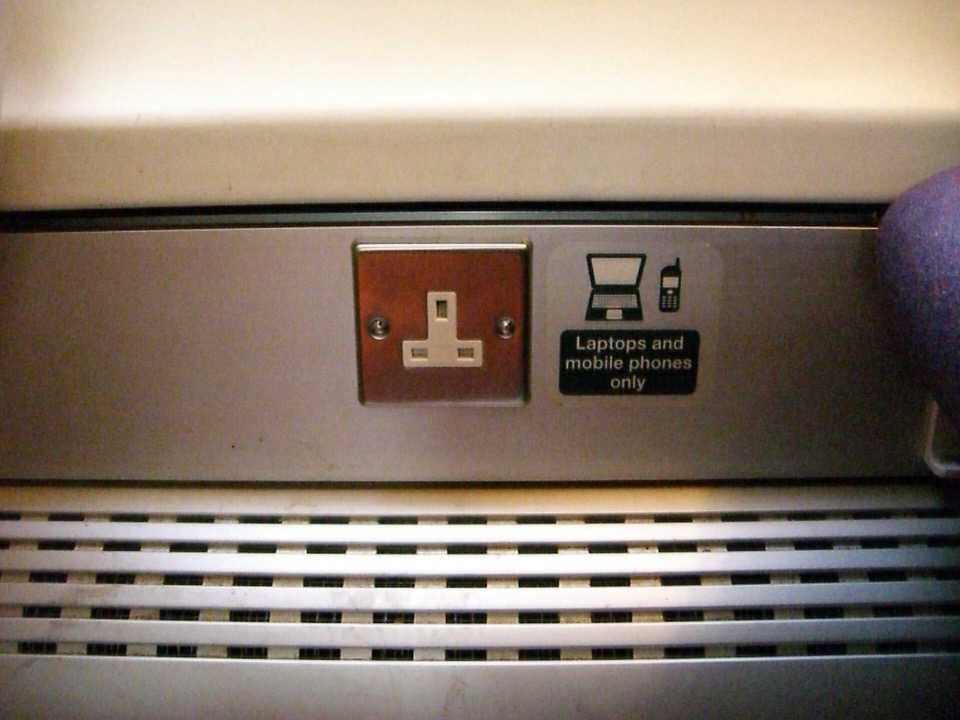
The specification states this twice over: once stamped on the device itself, and again in its instructions.
A garden panel is the classic case where somebody reaches for an extension lead. We put the proper socket in first, and the panel follows once that is done.
One device per final ring circuit is what the product specification itself allows, before it hands over to the network rules. Engineering Recommendation G98 Issue 2 Amendment 1 is the tighter of the two, and it caps a household at one device altogether.
The mains side of a compliant device is capped at 800 VA and 3.5 amps. The panels wired into it can still total as much as 2000 watts, and past 960 watts of panel the specification calls for a professional to assess whether the house can actually take it.
Somewhere in a compliant device's paperwork is a line telling you to check your own insurance cover. It only takes a short call, and it is worth making before the delivery van does.
You pay the electrician directly for that part, at their own quoted price. We add nothing on top and take no cut of it.
You can have the device outside with the plug and socket kept indoors, provided the manufacturer's own connectors and routing instructions are used for the cable coming in. What is not allowed is closing that gap with an extension lead instead.
It can be. Older wiring was raised again and again in the government's own consultation as the genuine fire risk with these devices, so we have the circuit checked before anything gets plugged in, wherever across our three cities you are.
Give us your postcode and say whether a kit is already bought. We will get back to you by email.
Send my postcodePostcode and a sentence about the job. We'll come back by email.
Name, email and postcode, plus a note on whether you own a kit yet and the spot you have in mind. You get an email back saying what's allowed there and what the visit would involve.
We reply by email. Your details stay with us.