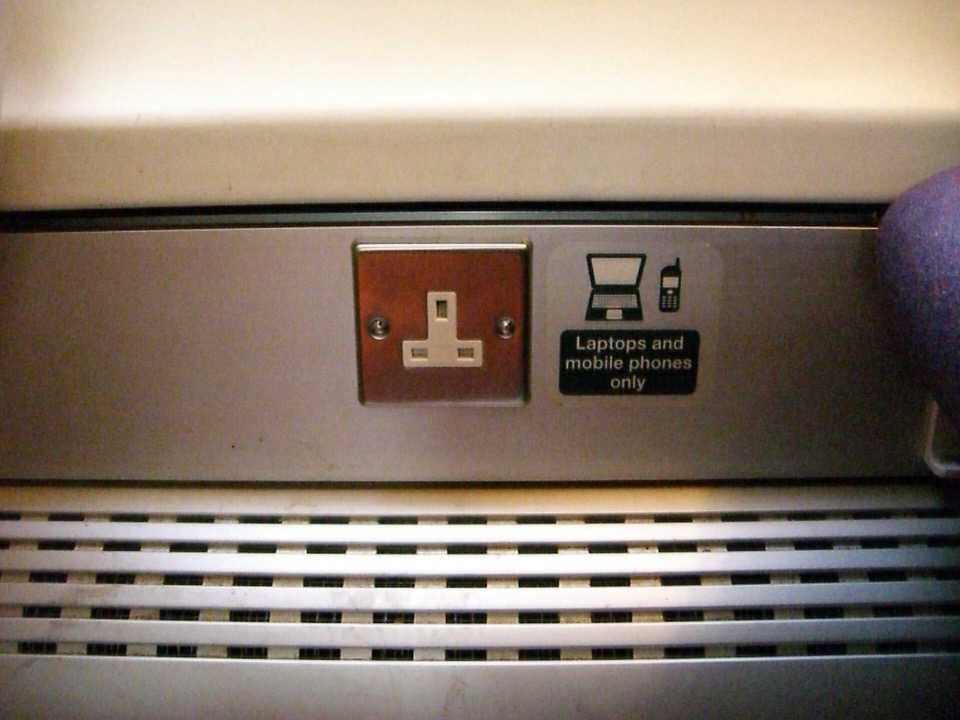
The outdoor socket
Why it needs an electrician.
Read moreEvery enquiry gets a reply by email. Start with your postcode.
Plug-in Solar East Mids / What the fitting involves
We check the surface and the circuit, fit the socket if one is needed, mount the panel where the rules allow, and leave you with the paperwork the operator needs.
27 August 2026 is when the permitted development right for solar equipment was rewritten, ruling out plug-in solar on a wooden wall, a balcony or timber cladding on both houses and blocks of flats. A twelve month transition, ending 27 August 2027, lets a household choose between the old rules and the new.
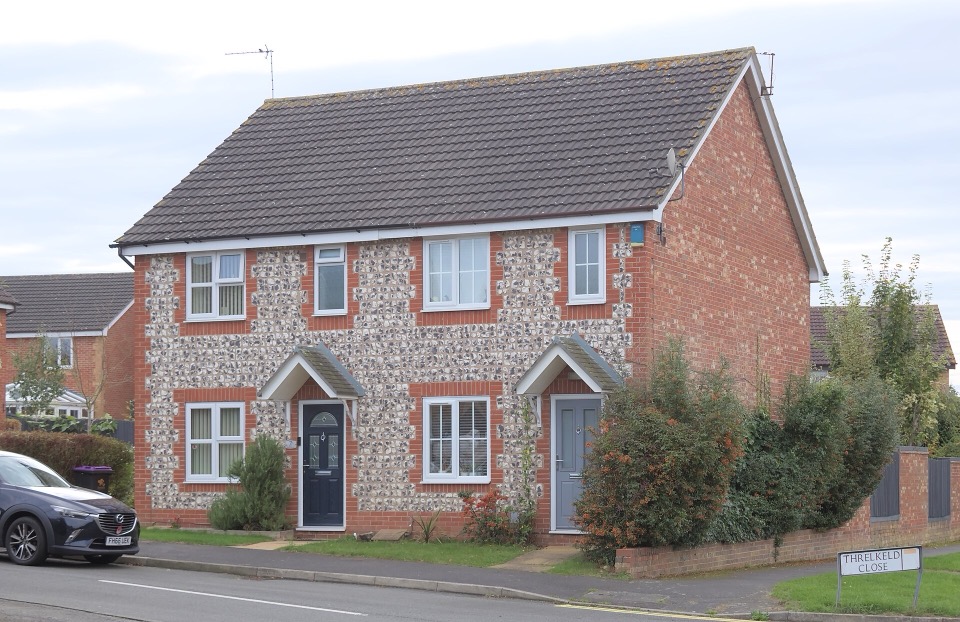
Before we put a number on anything, we look at what your wall, roof or garden is actually built from. Brick, stone, render and flint all sit outside the change. Timber is the one material the rule now catches.
A south facing roof pitch generates the most: PVGIS puts an 800 watt device near Nottingham at around 760 kWh a year, unshaded. An open ground frame at 30 degrees is close behind at roughly 754, and it never has to touch the balcony or cladding question at all. A wall gives up more: about 564 a year facing south, dropping to 391 facing east.
Within whatever the projection limits allow, we fit to the surface that suits your particular house. Every figure above is a model, not a guarantee, and a tree or a chimney casting shade will pull all of them down.
Bought a device already? Give us the make and model and we will check the ENA Type Test Register before booking anything. Not yet? We supply one that is already listed on it. Either route, the device has to exist before we can fit it.
National Grid Electricity Distribution has to be told within 28 days once a panel goes in, and we do not leave that to chance: the short form, your name, your email and the address, gets filled in with you on the day.
We will never promise "no planning permission needed," because the right is conditional, not automatic. A house that meets the conditions needs no application; one that does not, needs one. Working out which side of that line your house falls on is our job.
No. Battery storage sits outside the approved class entirely, whether it is a standalone battery or a device with one built in. We stick to what was actually approved that August.
There is no fixed timescale published here, because it hinges on whether a socket needs fitting alongside the panel. We would rather see the job first and tell you honestly.
You would need your landlord's sign-off, and if you are a leaseholder, possibly your freeholder's as well. The regulations leave that question entirely open, so settle it before you buy anything.
Give us your postcode and say whether a kit is already bought. We will get back to you by email.
Send my postcodePostcode and a sentence about the job. We'll come back by email.
Name, email and postcode, plus a note on whether you own a kit yet and the spot you have in mind. You get an email back saying what's allowed there and what the visit would involve.
We reply by email. Your details stay with us.